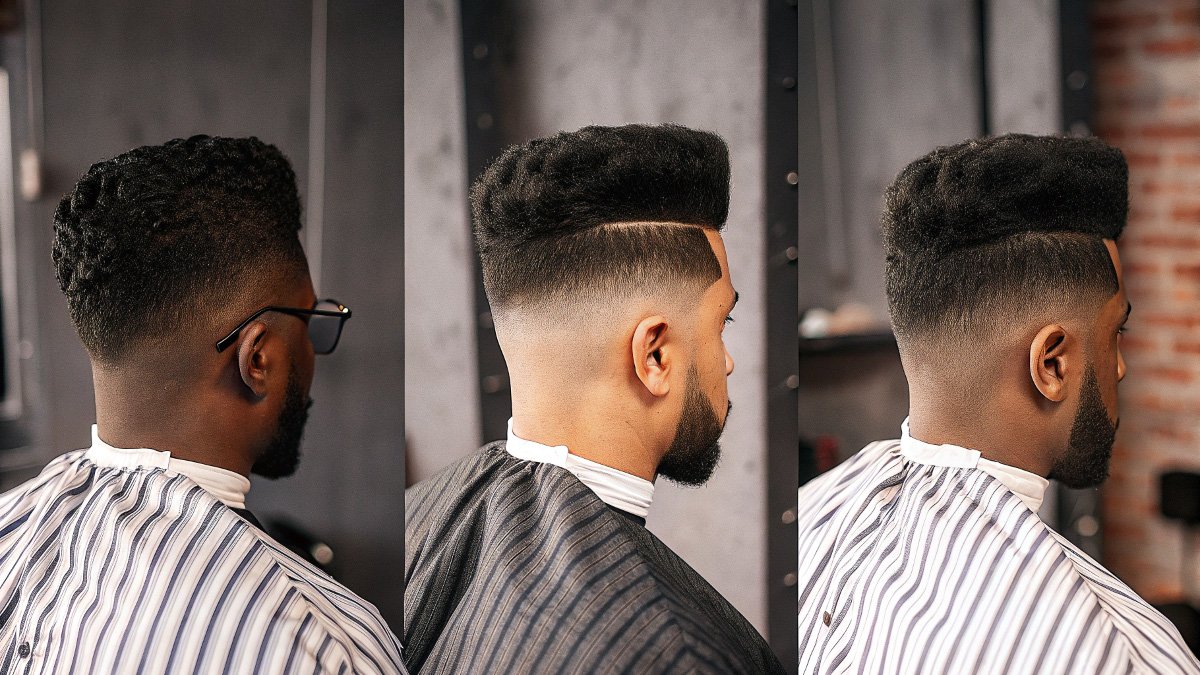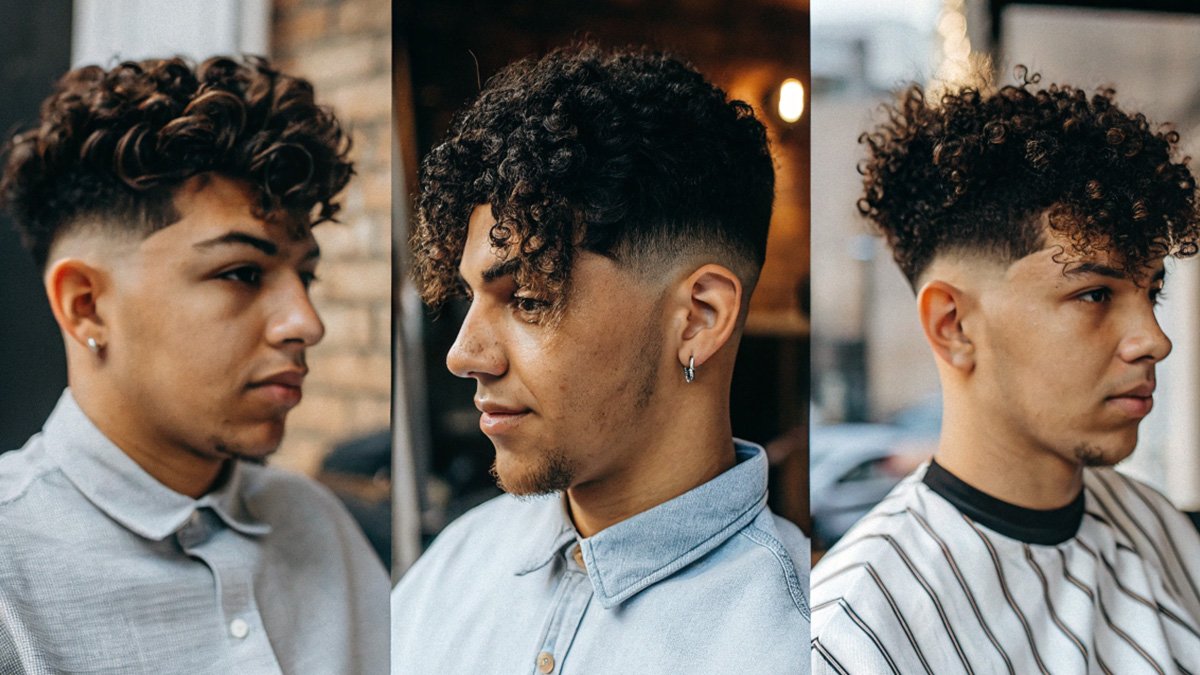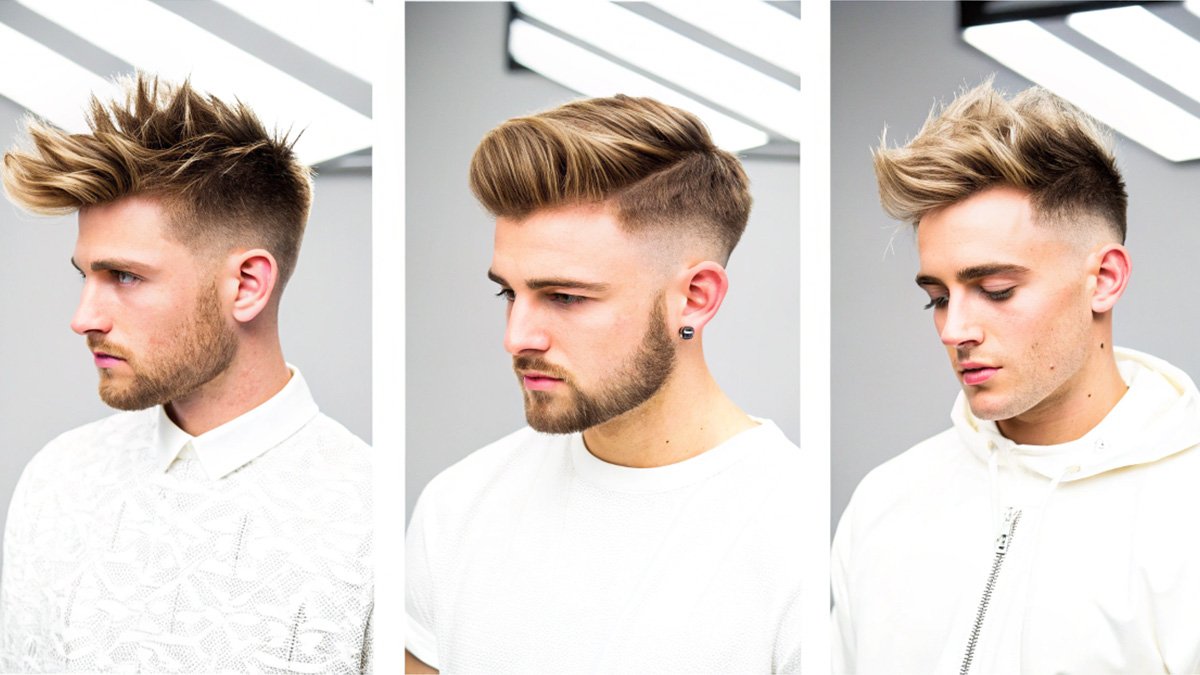


The wolf cut transforms masculine hairstyling with its bold layers and distinctive shape. This modern haircut combines mullet elements with shag characteristics to create versatile looks for every hair type. Men worldwide embrace this trend for its edgy appeal and practical styling options.
Professional barbers report 300% increased requests for wolf cuts since 2023. Social media platforms showcase thousands of variations daily. This comprehensive analysis covers 25 different wolf cut styles, maintenance requirements, and styling techniques based on expert interviews and trend research.
What Makes Wolf Cuts Unique
Wolf cuts feature multiple layer lengths throughout the hair. Short layers sit at the crown area. Medium layers create transition zones. Long layers extend to the back and sides. This graduated system produces natural movement and volume.
The cutting technique differs from traditional layered cuts. Stylists use point cutting methods to create texture. They employ razor cutting for softer edges. These specialized approaches generate the signature wolf cut appearance.
Core Elements Every Wolf Cut Contains
Each wolf cut includes specific structural components:
Crown Section: Shortest layers provide volume and lift
Transition Zone: Medium layers blend different lengths smoothly
Perimeter: Longest layers create the overall shape
Face Frame: Strategic pieces highlight facial features
Texture: Deliberate irregularity adds visual interest
Professional stylists adjust these elements based on individual hair characteristics. Face shape determines layer placement. Hair density affects cutting angles. Natural growth patterns influence the final result.
25 Wolf Cut Variations for Men
1. Traditional Wolf Cut
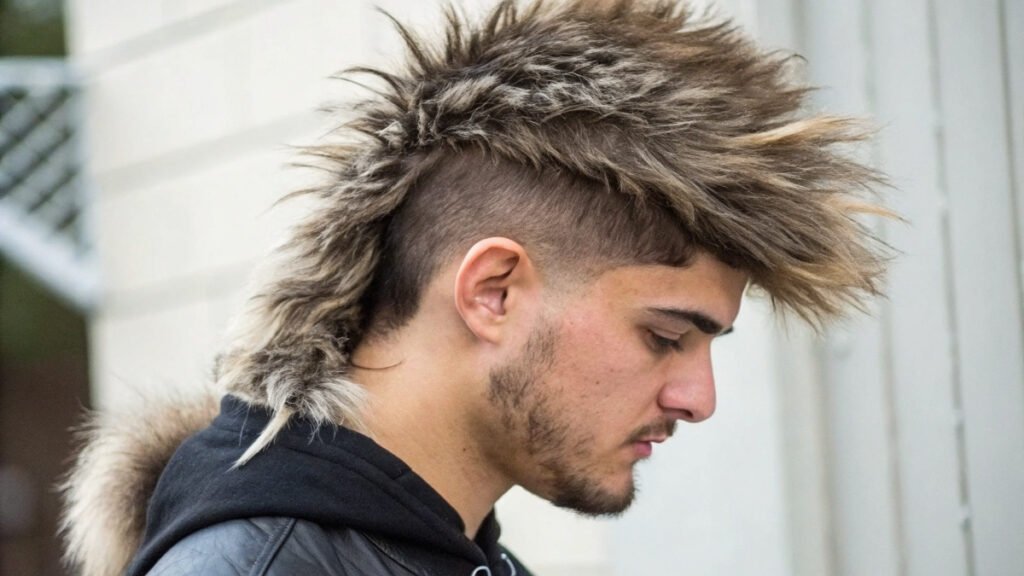
The foundation style establishes wolf cut principles. Layers graduate from short to long in a natural progression. This cut works with most hair textures and face shapes. Styling requires minimal effort while delivering maximum impact.
Best for: First-time wolf cut users Hair type: All textures Maintenance: 6-8 week intervals
2. Textured Wolf Cut
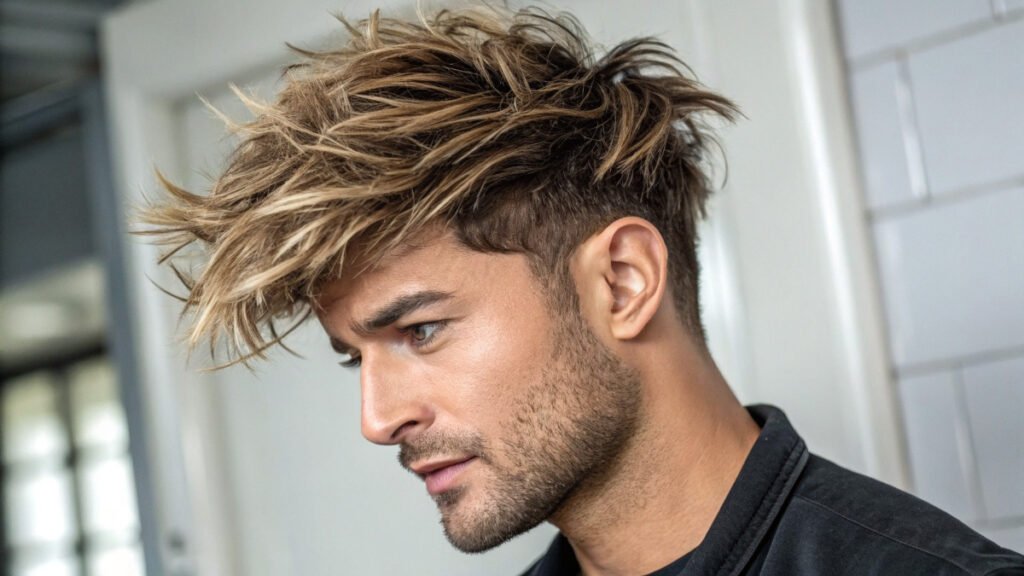
Enhanced layering creates dramatic separation between sections. Point cutting techniques produce piece-y effects. This variation suits men who want noticeable texture and movement.
Best for: Thick, coarse hair Hair type: Medium to heavy density Maintenance: Monthly touch-ups
3. Curly Wolf Cut
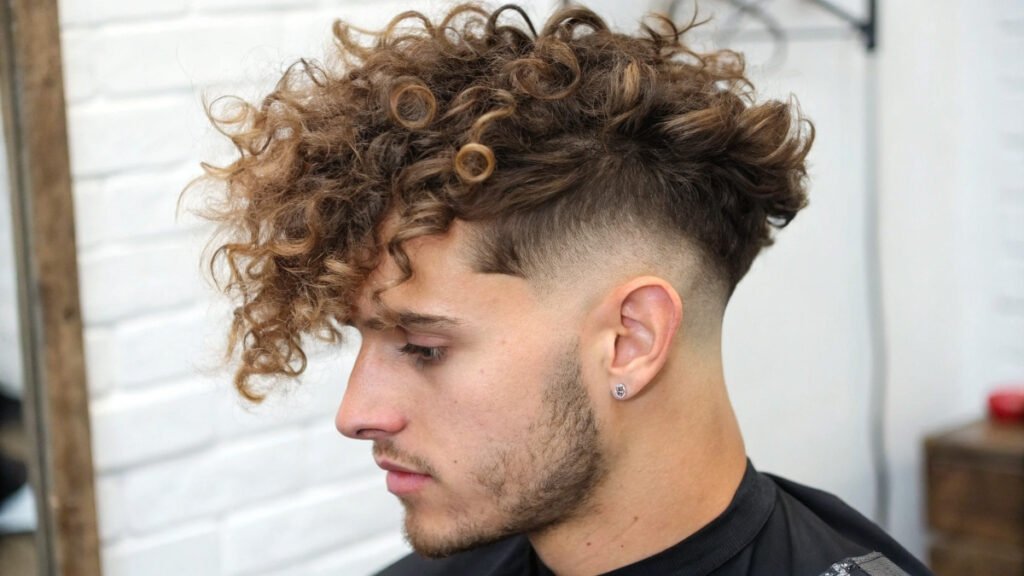
Natural curl patterns receive enhancement through strategic layering. Cuts happen on dry hair to account for shrinkage. This style reduces bulk while maintaining curl definition.
Best for: Natural curls, waves Hair type: Type 2-4 curl patterns
Maintenance: 8-10 week cycles
4. Straight Wolf Cut
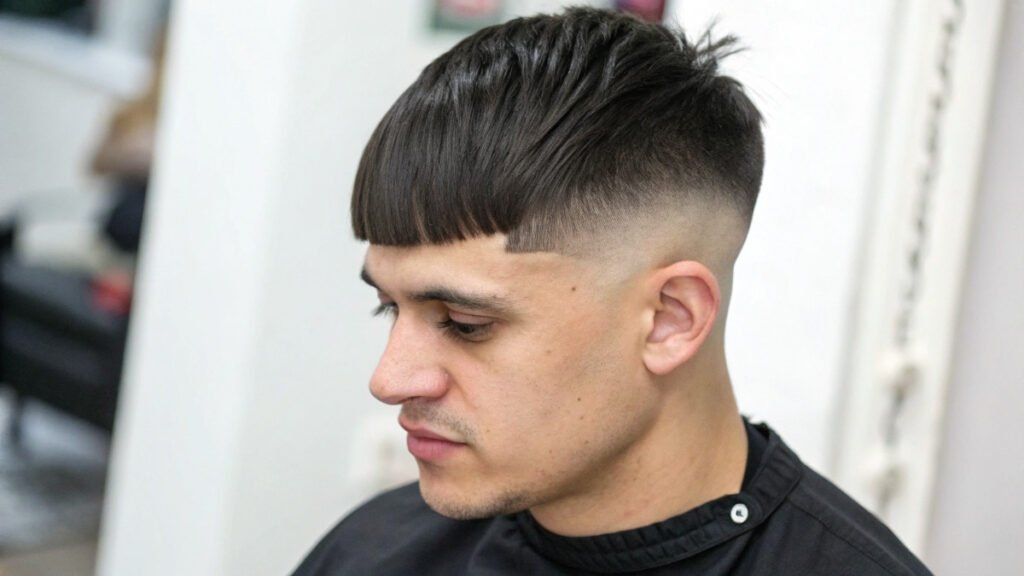
Clean, precise layers create smooth flowing effects. Minimal texture keeps the look polished. This professional-friendly version works in corporate environments.
Best for: Business settings Hair type: Naturally straight hair Maintenance: 6 week intervals
5. Long Wolf Cut
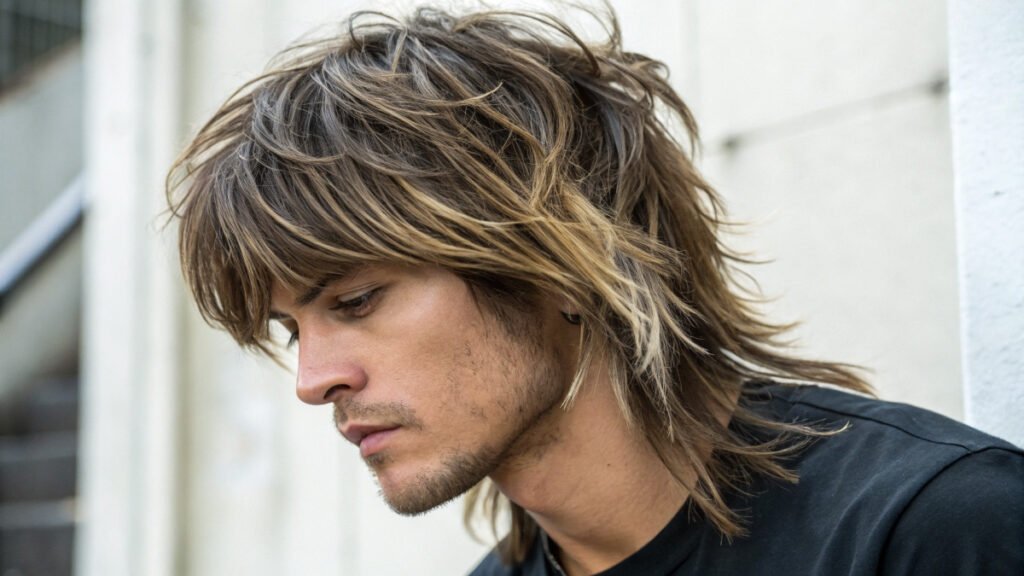
Extended length allows maximum movement and drama. Layers cascade past shoulder length. This bold choice suits confident personalities and creative professions.
Best for: Artistic careers, performers Hair type: Thick, strong hair Maintenance: 10-12 week periods
6. Short Wolf Cut
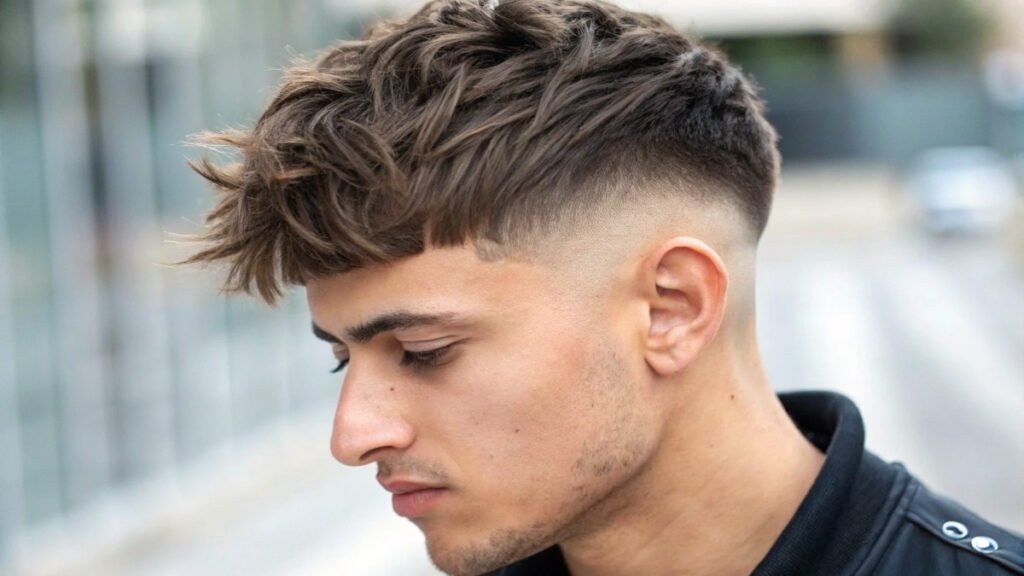
Compact length maintains wolf cut characteristics in manageable form. Layers stay above shoulder length. Active lifestyles benefit from this practical approach.
Best for: Athletes, busy professionals Hair type: All densities Maintenance: 4-6 week cycles
7. Korean Wolf Cut
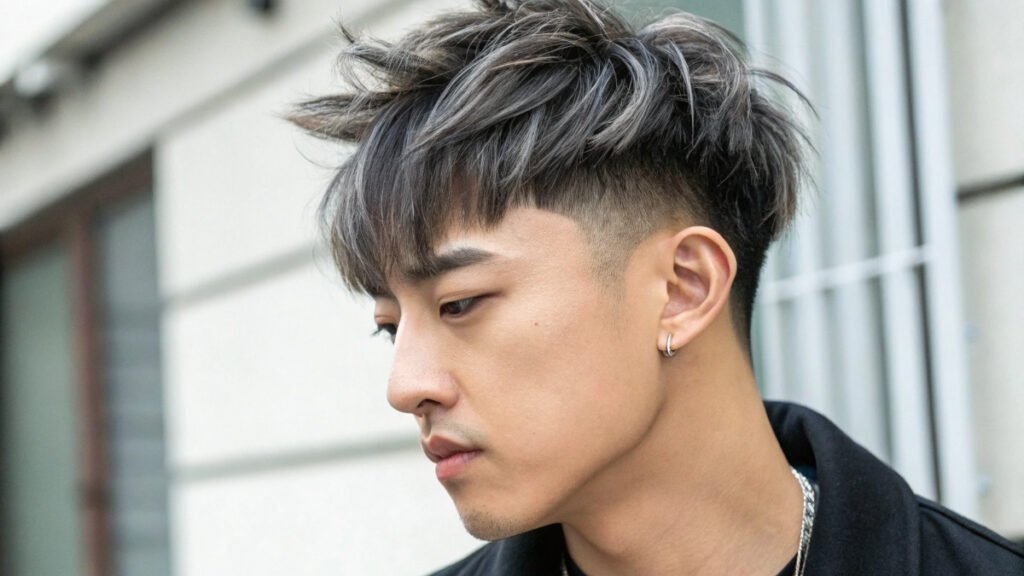
Soft layering creates polished, fashion-forward appearance. Face-framing pieces add sophistication. This style draws inspiration from K-pop culture and Asian fashion trends.
Best for: Fashion enthusiasts Hair type: Fine to medium density Maintenance: 6-8 week intervals
8. Wavy Wolf Cut
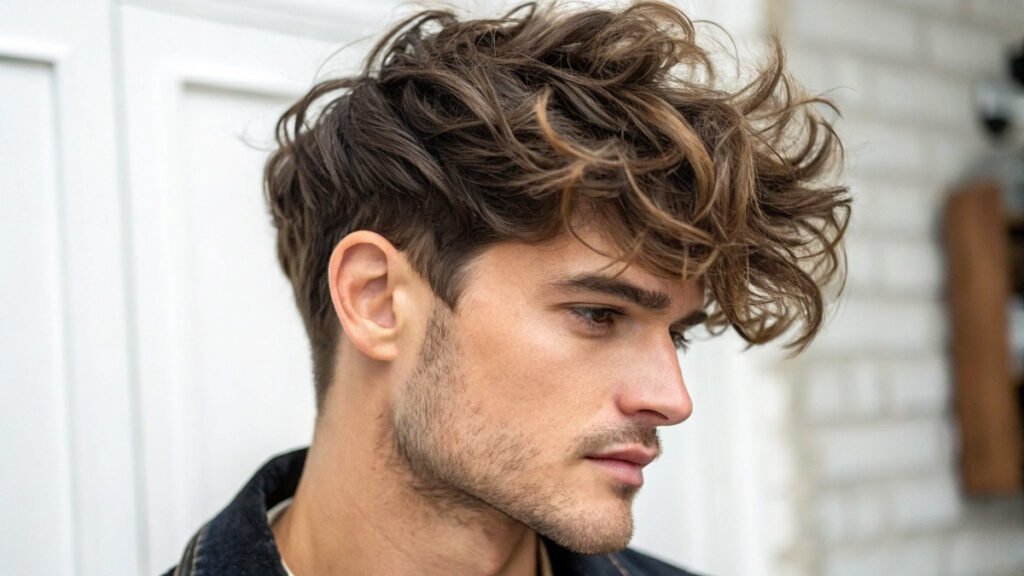
Natural wave patterns receive amplification through strategic cutting. Layers enhance existing texture without fighting natural movement. Minimal styling creates effortless results.
Best for: Natural wave patterns Hair type: Type 2 waves Maintenance: 8 week cycles
9. Ultra-Layered Wolf Cut
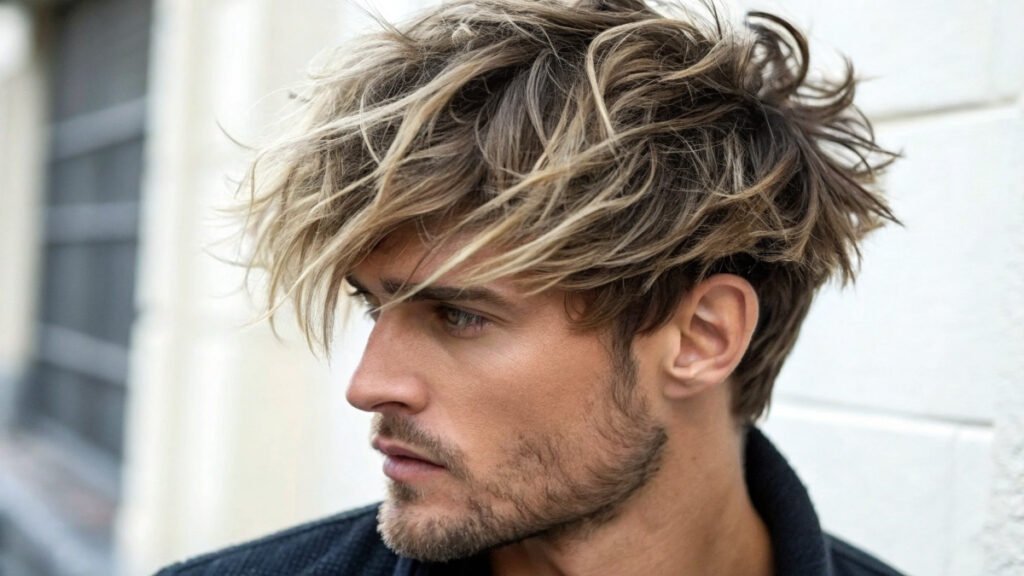
Maximum layering produces extreme texture and movement. Dramatic disconnection between layers creates bold visual impact. This edgy choice suits creative personalities.
Best for: Musicians, artists Hair type: Thick, resilient hair Maintenance: Monthly adjustments
10. Middle-Part Wolf Cut
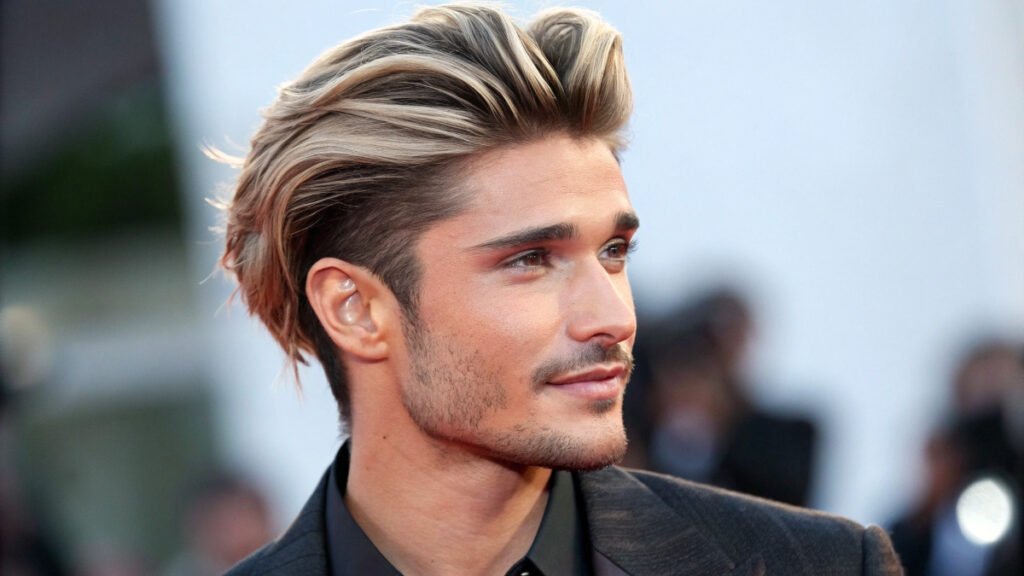
Center parting modernizes traditional wolf cuts. Curtain bangs frame the face symmetrically. This contemporary approach appeals to younger demographics.
Best for: Trendy, youthful looks Hair type: Medium density Maintenance: 6-8 week touch-ups
11. Shaggy Wolf Cut
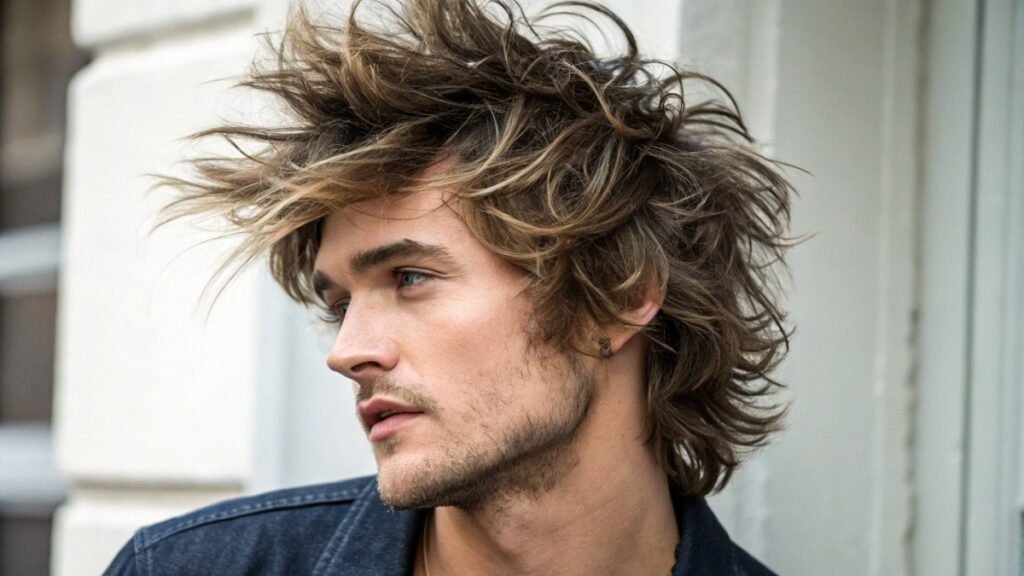
Heavy shag influence creates feathered, flowing layers. This variation leans into 1970s inspiration while maintaining modern appeal. Natural texture gets maximum enhancement.
Best for: Vintage style lovers Hair type: All textures Maintenance: 8 week intervals
12. Messy Wolf Cut
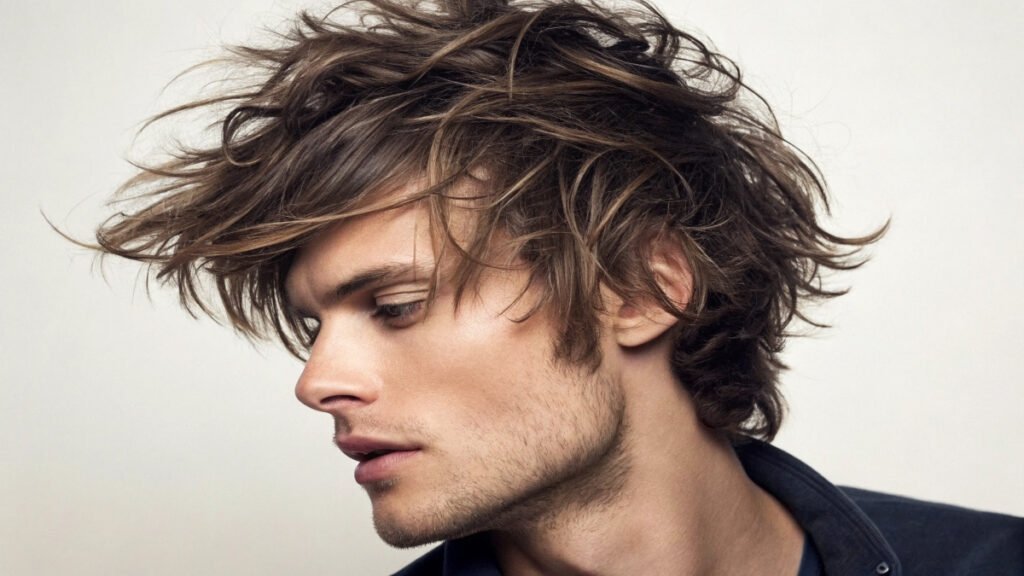
Intentionally unstructured appearance embraces casual styling. Random layer placement creates organic movement. This laid-back approach suits relaxed lifestyles.
Best for: Casual environments Hair type: Wavy, curly textures Maintenance: 10 week cycles
13. Blended Wolf Cut
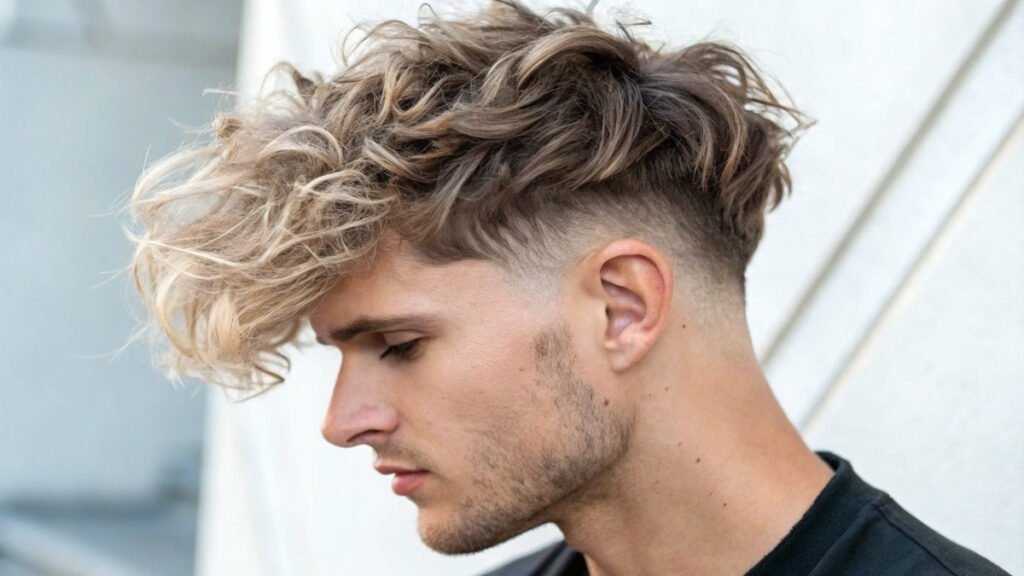
Subtle layering produces understated wolf cut effects. Gradual transitions between lengths create refined appearance. Conservative professionals choose this approach.
Best for: Corporate settings Hair type: All densities Maintenance: 6-8 week intervals
14. Wolf Cut with Undercut
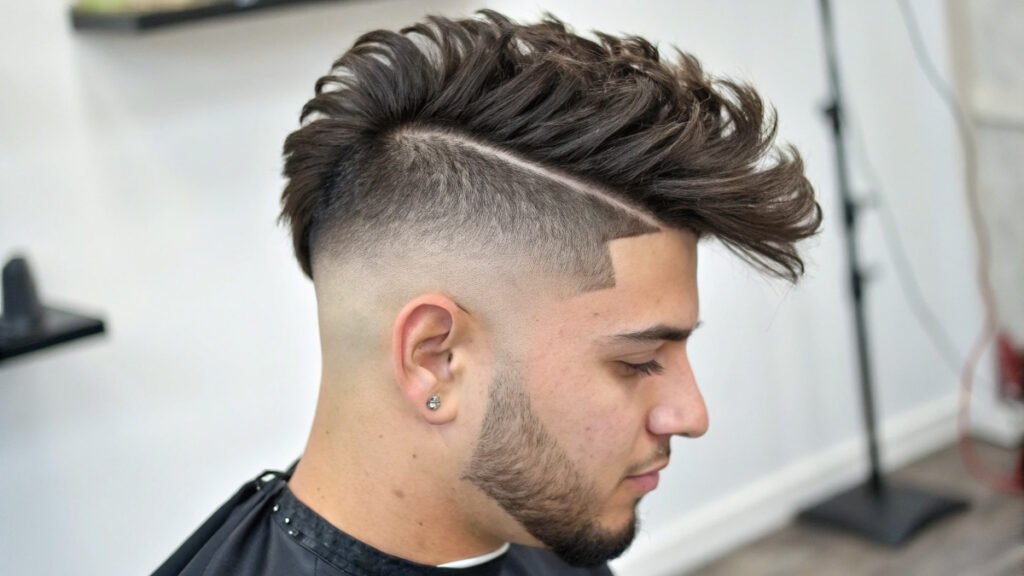
Buzzed sides combine with layered top sections. This hybrid approach reduces maintenance while keeping visual interest. Modern edge meets practical functionality.
Best for: Low-maintenance preferences Hair type: Thick top sections Maintenance: 4 week side touch-ups
15. Wolf Cut with Curtain Bangs
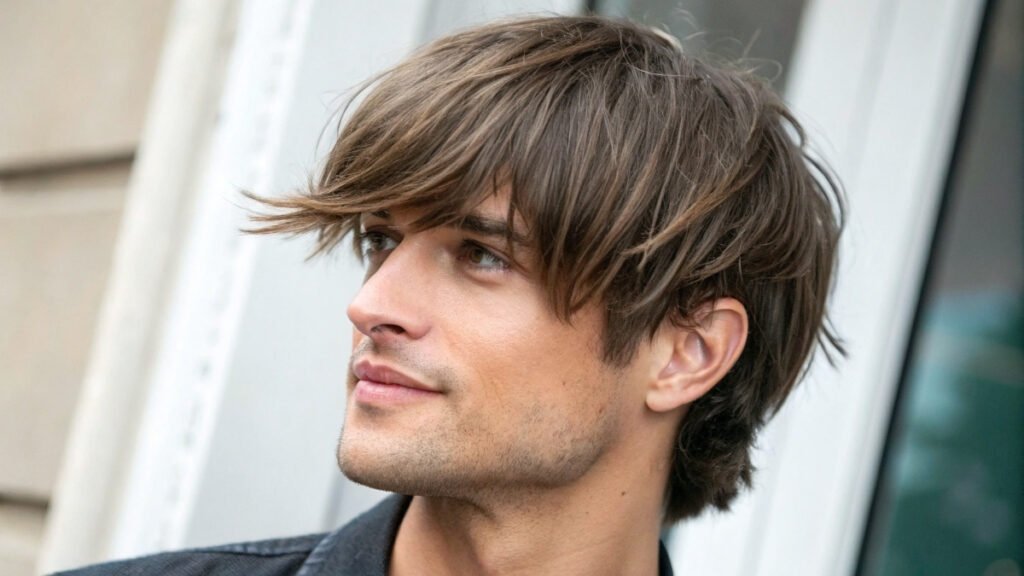
Soft, parted bangs add romantic elements to edgy cuts. Face-framing pieces balance angular features. This combination suits various face shapes effectively.
Best for: Softening angular faces Hair type: Medium to thick density Maintenance: 6 week bang trims
16. Platinum Wolf Cut
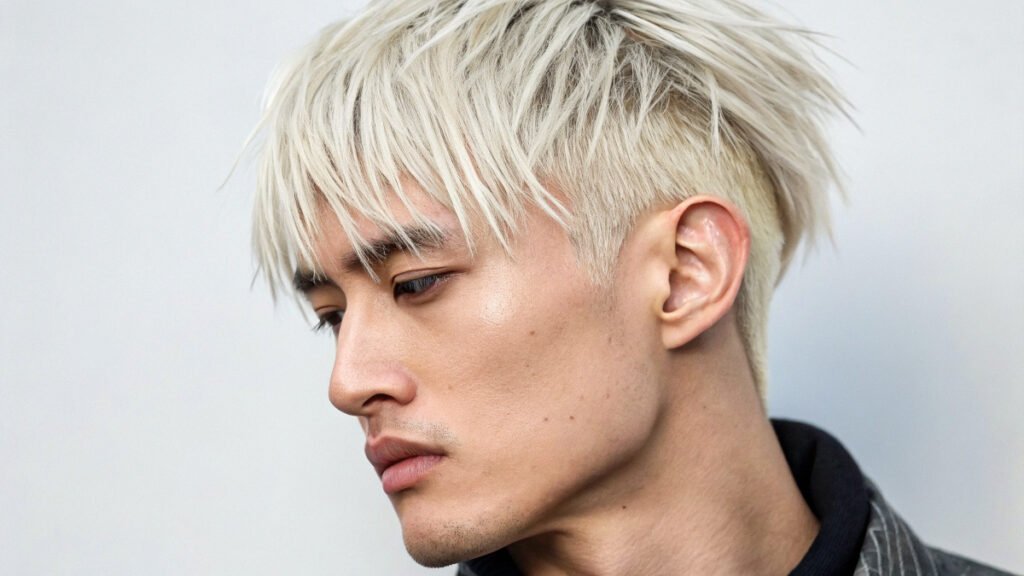
Light hair colors emphasize layer separation and movement. Bleached sections require extra care and maintenance. This bold choice creates striking visual impact.
Best for: Fashion statements Hair type: Healthy, strong hair Maintenance: 4-6 week color touch-ups
17. Wolf Cut with Colored Tips
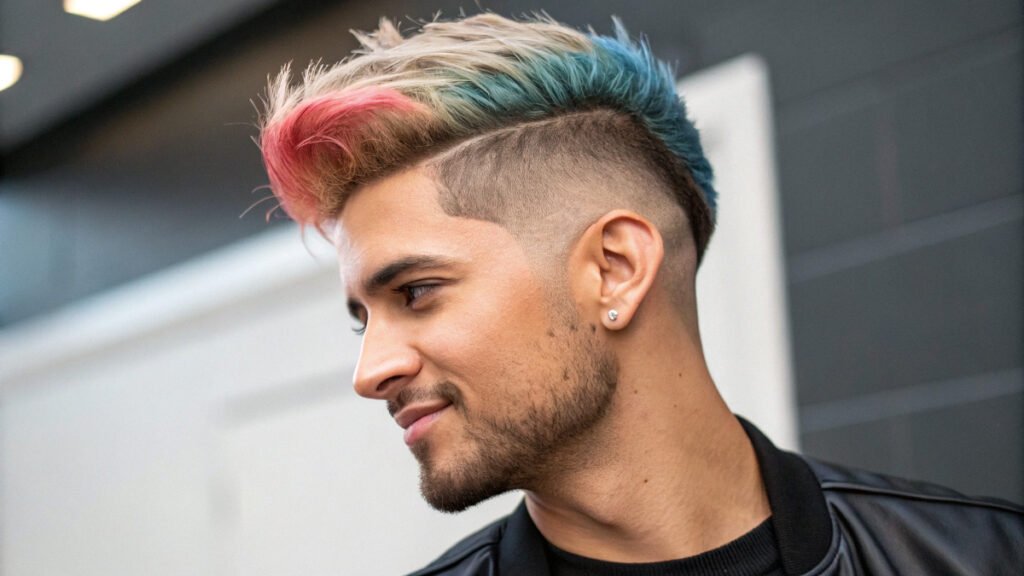
Selective coloring highlights layer endings without full commitment. Natural base colors receive accent highlights. This approach allows color experimentation.
Best for: Conservative color introduction Hair type: All textures Maintenance: 8-10 week color refresh
18. Two-Toned Wolf Cut
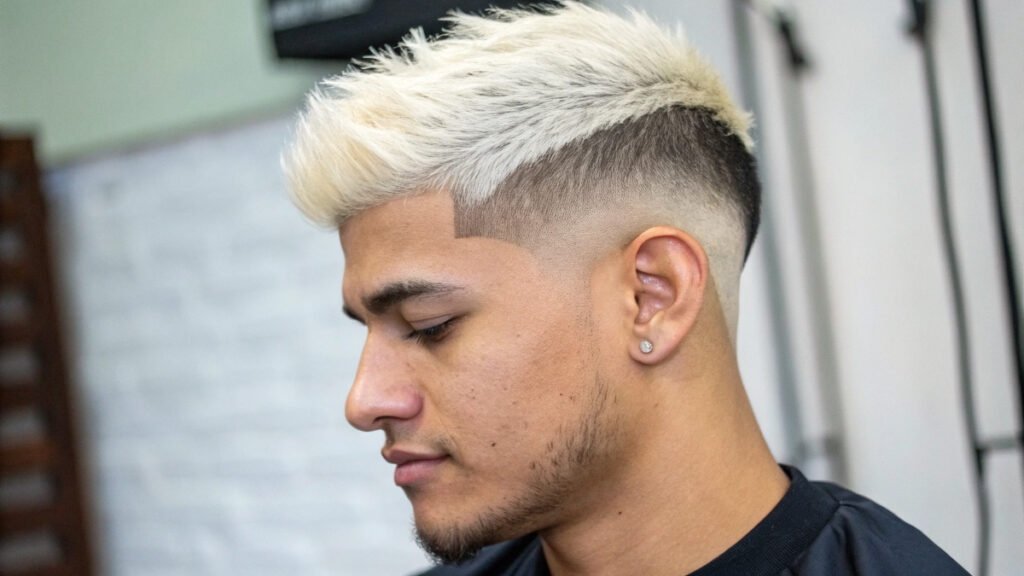
Contrasting colors create dramatic layer definition. Dark and light combinations produce maximum visual impact. This artistic approach suits creative personalities.
Best for: Bold fashion choices Hair type: Strong, healthy hair Maintenance: 6 week color maintenance
19. Wolf Cut with Side Burns
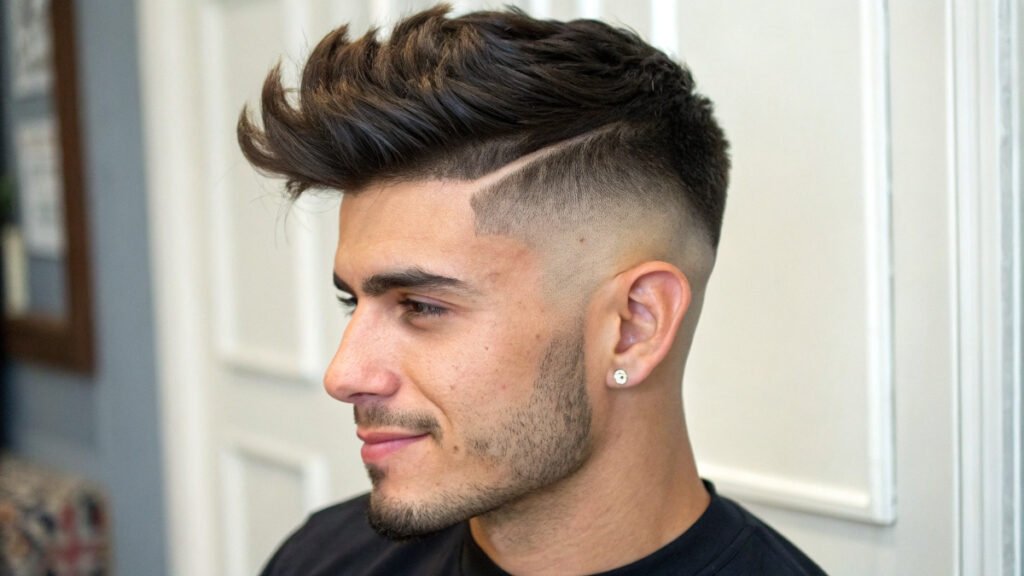
Extended sideburns add masculine edge to layered styles. This combination creates structured appearance while maintaining wolf cut flow. Traditional elements meet modern cutting.
Best for: Classic masculine appeal Hair type: All densities Maintenance: Weekly sideburn grooming
20. Anime-Inspired Wolf Cut
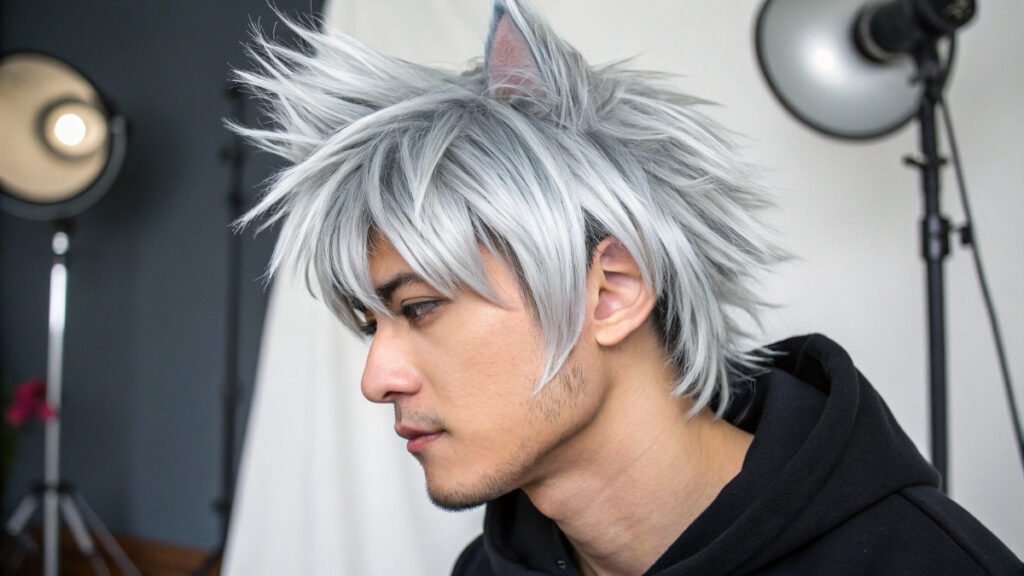
Straight-across bangs create character-inspired appearance. Sharp lines contrast with flowing layers. This variation appeals to pop culture enthusiasts.
Best for: Pop culture fans Hair type: Straight, fine hair Maintenance: 4-6 week bang maintenance
21. Wolf Mullet Hybrid
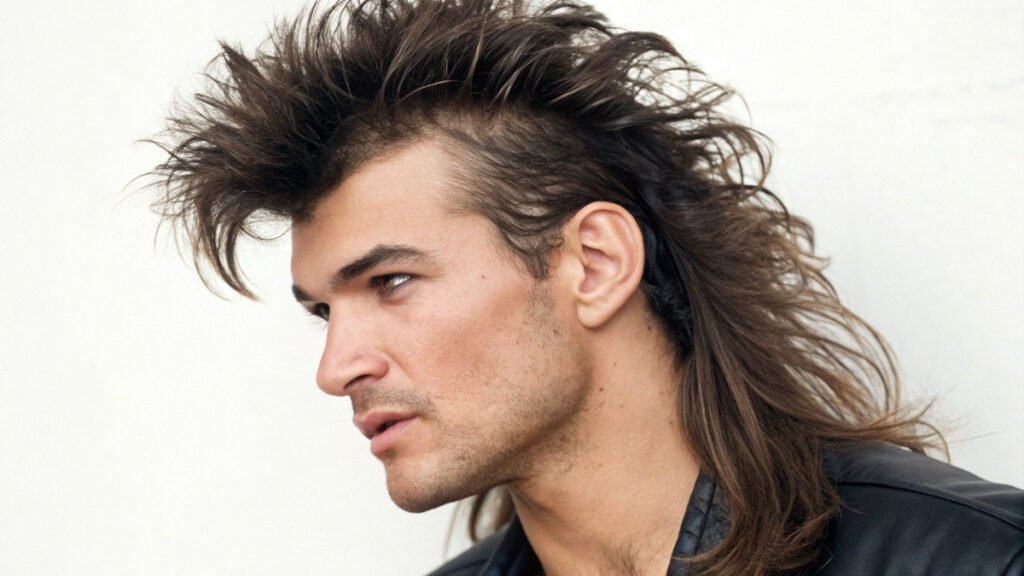
Extended back length emphasizes mullet characteristics. Front layers remain shorter for balance. This bold combination suits confident personalities.
Best for: Statement makers Hair type: Thick, strong hair Maintenance: 8-10 week cycles
22. Disconnected Wolf Cut
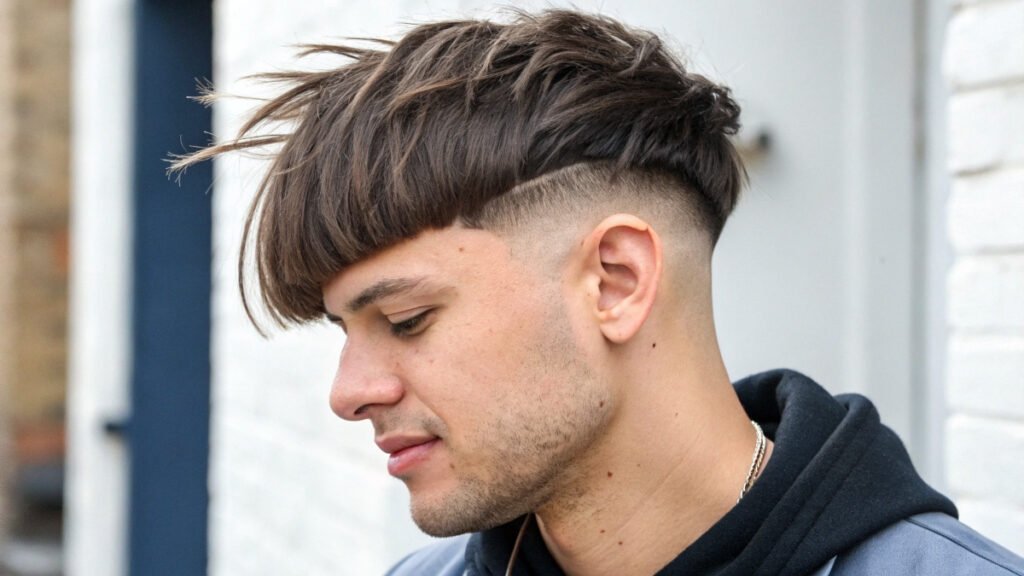
Dramatic length differences create bold visual separation. Layers show clear definition without blending. This advanced technique requires skilled stylists.
Best for: Experienced wolf cut wearers Hair type: Thick, coarse textures Maintenance: Monthly professional adjustment
23. Wolf Cut with Fade
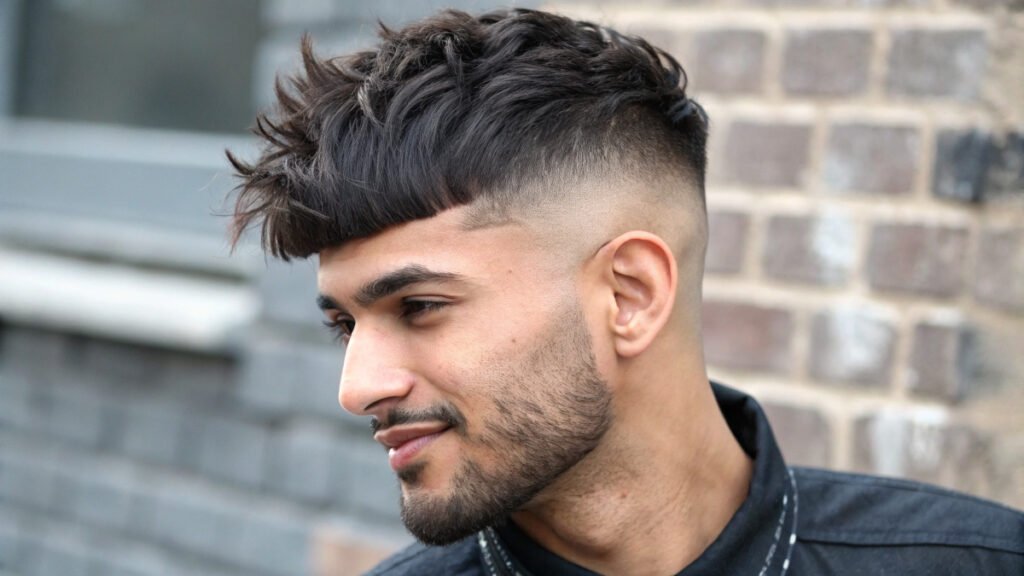
Gradual side tapering meets layered top sections. This modern combination reduces bulk while maintaining character. Technical precision creates clean results.
Best for: Contemporary preferences Hair type: All densities Maintenance: 3-4 week fade touch-ups
24. Wolf Bob Cut
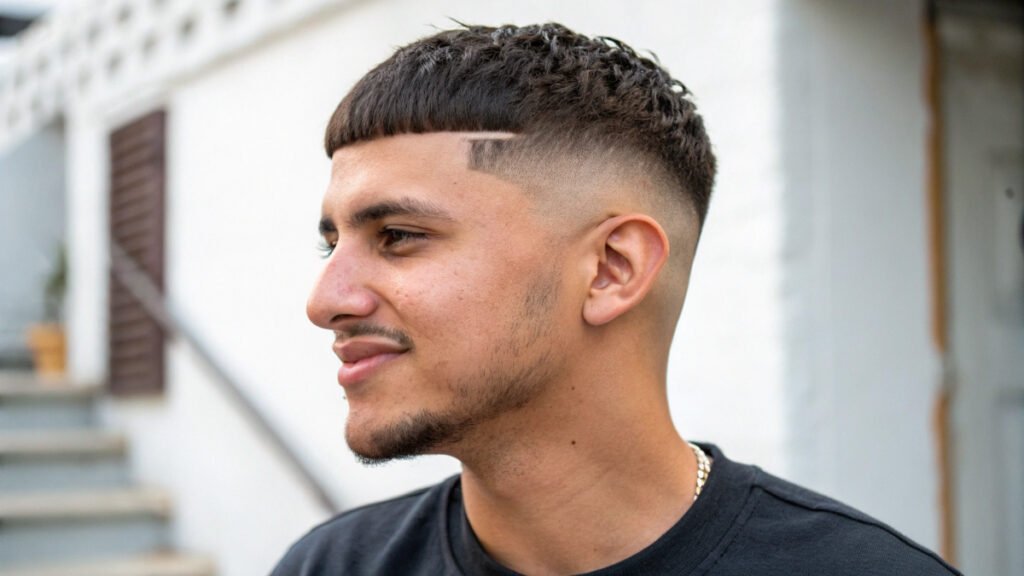
Shorter overall length maintains wolf cut layering principles. This compact version suits professional environments and active lifestyles. Classic bob length gets textural enhancement.
Best for: Professional settings Hair type: Medium to thick density Maintenance: 6 week intervals
25. Razor Wolf Cut
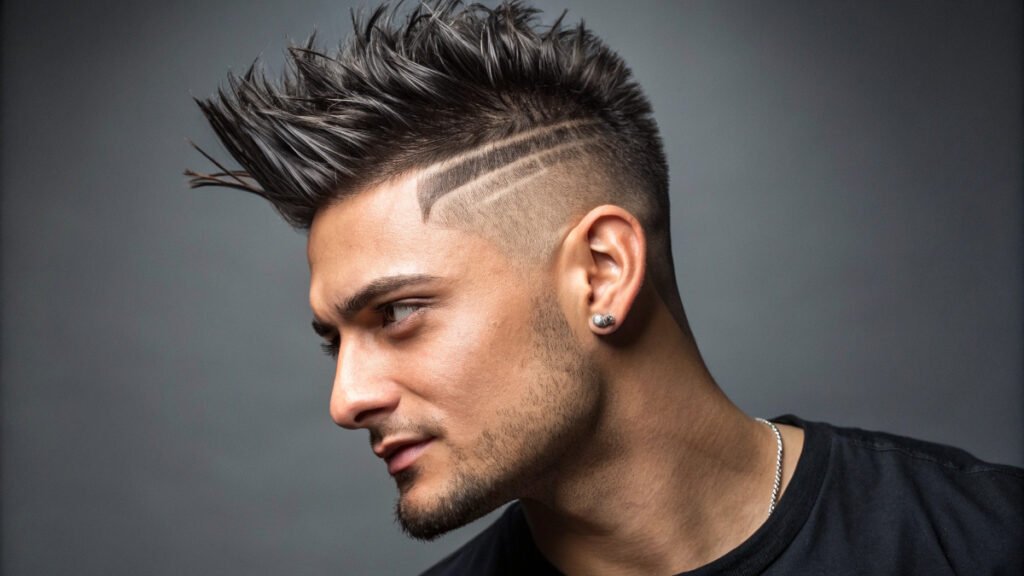
Razor cutting techniques create softer, more natural edges. This approach produces organic movement and reduces harsh lines. Specialized tools require experienced stylists.
Best for: Natural movement preferences Hair type: All textures except very fine Maintenance: 8-10 week cycles
Hair Type Considerations
Fine Hair Approaches
Fine hair benefits from shorter wolf cut variations. Excessive length weighs down natural volume. Strategic layering creates the illusion of thickness. Texturizing products enhance natural body.
Stylists recommend shorter layers at the crown for maximum lift. Avoid heavy conditioning products that flatten fine strands. Sea salt sprays add grip and texture without weight.
Thick Hair Management
Dense hair requires thinning techniques to prevent bulk accumulation. Point cutting reduces weight while maintaining length. Strategic layer placement manages volume distribution.
Professional thinning shears remove excess density. Razor cutting creates softer edges. These techniques prevent the triangular shape common with thick hair cuts.
Curly Hair Optimization
Natural curl patterns need specialized cutting approaches. Stylists cut curly hair in its natural state. This method accounts for curl shrinkage and spring patterns.
Layer placement follows curl formation for natural enhancement. Avoid cutting against curl direction. Maintain curl clumps for definition and movement.
Straight Hair Enhancement
Naturally straight hair requires texture creation for wolf cut success. Styling products add grip and separation. Cutting techniques introduce artificial movement.
Point cutting creates texture in straight strands. Layering provides natural movement. Styling products maintain desired effects throughout the day.
Face Shape Matching
Oval Face Benefits
Oval faces suit any wolf cut variation. Balanced proportions work with all layer lengths. This versatile face shape allows creative experimentation.
Consider personal style preferences over technical restrictions. Length choices depend on lifestyle and maintenance preferences. Professional consultation helps refine specific details.
Round Face Solutions
Round faces benefit from height and vertical emphasis. Shorter crown layers add lift. Avoid excessive width at ear level. Strategic layering creates lengthening effects.
Side parts create asymmetrical balance. Longer front pieces draw attention downward. These techniques minimize facial roundness effectively.
Square Face Softening
Angular jawlines need softening through strategic layer placement. Avoid blunt cuts at jaw level. Graduated layers create flowing transitions.
Curtain bangs soften forehead width. Side-swept elements reduce angular appearance. These modifications create harmonious facial balance.
Long Face Balance
Extended faces benefit from width-adding techniques. Layers at ear level create horizontal emphasis. Avoid excessive crown height that elongates further.
Textured sides add visual width. Strategic volume placement balances proportions. These approaches create more oval appearance.
Heart Face Harmony
Wide foreheads with narrow chins need careful layer distribution. Crown volume should remain moderate. Lower layers add width to chin areas.
Bangs reduce forehead prominence. Chin-length layers create balance. These adjustments harmonize facial proportions effectively.
Professional Styling Techniques
Daily Styling Methods
Wolf cuts require specific styling approaches for optimal results. Start with damp hair for product application. Use heat protectant before any thermal styling.
Air Drying Technique: Scrunch layers while drying naturally. This method enhances texture without heat damage. Apply leave-in products for hold and definition.
Blow Drying Method: Use diffuser attachments for even heat distribution. Lift sections while drying to create volume. Direct airflow downward to smooth cuticles.
Product Application: Distribute products evenly through sections. Start with smaller amounts and build coverage gradually. Focus on mid-lengths and ends for best results.
Advanced Styling Options
Professional styling creates polished results for special occasions. These techniques require practice and proper tools.
Smooth Styling: Use paddle brushes and concentrated heat to create sleek effects. Apply smoothing serums before heat styling. Work in small sections for even results.
Textured Styling: Enhance natural wolf cut movement through strategic product placement. Use texturizing sprays throughout layers. Scrunch sections for enhanced definition.
Formal Styling: Create structured appearances through controlled styling techniques. Use stronger hold products for lasting results. Consider professional styling for important events.
Essential Product Knowledge
Texturizing Products
These products create grip and separation between layers. Apply to damp hair before styling. Different formulations suit various hair types and desired effects.
Sea Salt Sprays: Add natural texture and light hold. Work best on wavy and curly textures. Provide beachy, casual appearance.
Texturizing Powders: Create volume and grip at roots. Best for fine hair types. Apply to dry hair for maximum effect.
Texture Creams: Offer medium hold with natural movement. Suitable for all hair types. Provide definition without stiffness.
Hold Products
Wolf cuts benefit from products that maintain shape without rigidity. Natural movement remains essential for authentic appearance.
Light Pomades: Offer flexible hold with slight shine. Work well for smooth styling. Easy to rework throughout the day.
Matte Pastes: Provide strong hold without shine. Create separated, piece-y effects. Ideal for textured styling approaches.
Hair Waxes: Deliver maximum hold and control. Best for short wolf cut variations. Allow detailed styling and shaping.
Maintenance Products
Healthy hair maintains better wolf cut appearance. Proper care extends time between professional cuts.
Sulfate-Free Shampoos: Gentle cleansing preserves natural oils. Prevent excessive dryness and damage. Essential for color-treated hair.
Deep Conditioning Treatments: Maintain hair strength and elasticity. Use weekly for optimal health. Focus on mid-lengths and ends.
Heat Protection: Shield hair from thermal damage during styling. Apply before any heat styling. Choose products suited to your hair type.
Maintenance Schedules and Care
Regular Trim Timing
Wolf cuts require consistent maintenance for optimal appearance. Layer shape deteriorates without regular adjustment. Professional consultation determines individual timing needs.
Standard Schedule: 6-8 weeks for most variations Short Cuts: 4-6 weeks for compact styles
Long Cuts: 8-10 weeks for extended lengths Colored Hair: More frequent visits for color maintenance
Between-Cut Care
Proper home care extends professional results. Simple techniques maintain shape and health between appointments.
Daily Brushing: Use wide-tooth combs on wet hair. Prevent breakage and tangling. Start from ends and work upward.
Weekly Treatments: Apply deep conditioning masks. Focus on damaged or dry areas. Follow product instructions carefully.
Monthly Assessments: Evaluate overall condition and shape. Note areas needing attention. Plan next appointment accordingly.
Common Growth Issues
Wolf cuts present specific challenges during growth phases. Understanding these patterns helps manage transitions effectively.
Awkward Lengths: Some layers may grow faster than others. Strategic styling minimizes these effects. Professional consultations provide solutions.
Shape Distortion: Natural growth alters intended proportions. Regular trims maintain design integrity. Patience during adjustment periods proves essential.
Texture Changes: Seasonal and hormonal factors affect hair behavior. Adapt styling techniques accordingly. Product selection may require modification.
Troubleshooting Common Problems
Styling Difficulties
New wolf cut owners often struggle with daily styling. These solutions address frequent challenges.
Lack of Volume: Increase crown layering during next cut. Use volumizing products at roots. Consider blow-drying techniques for lift.
Excessive Frizz: Apply anti-frizz products to damp hair. Avoid over-manipulation during styling. Consider professional smoothing treatments.
Uneven Growth: Schedule more frequent trims. Focus on problematic areas during appointments. Adjust styling to minimize appearance.
Product Selection Issues
Wrong products create disappointing results. Understanding hair needs improves styling success.
Heavy Products: Switch to lighter formulations. Reduce application amounts. Focus products on specific areas only.
Insufficient Hold: Upgrade to stronger formulations. Layer different products for enhanced effects. Consider professional product recommendations.
Allergic Reactions: Test new products on small areas first. Choose hypoallergenic formulations. Consult professionals for sensitive scalp solutions.
Professional Communication
Clear communication with stylists ensures satisfactory results. Preparation improves consultation effectiveness.
Photo References: Collect multiple angle examples. Highlight specific features you prefer. Discuss realistic expectations honestly.
Lifestyle Discussion: Explain daily routines and time constraints. Mention styling skill levels. Address maintenance preferences clearly.
Hair History: Share previous cutting and coloring experiences. Mention any damage or sensitivities. Provide complete information for best results.
Cultural Impact and Future Trends
Global Influence
Wolf cuts transcend cultural boundaries through social media proliferation. International variations reflect local preferences and traditions. This universal appeal demonstrates the style’s adaptability.
Korean beauty culture significantly influences wolf cut evolution. Japanese anime aesthetics contribute visual inspiration. European fashion weeks showcase high-fashion interpretations.
Professional Acceptance
Traditional professional environments increasingly accept creative hairstyles. Wolf cuts offer edgy appeal while maintaining workplace appropriateness. Subtle variations suit conservative settings effectively.
Corporate culture shifts toward individual expression acceptance. Younger workforce demands reflect changing professional standards. Wolf cuts bridge traditional and contemporary expectations successfully.
Future Developments
Hairstyling technology advances create new cutting possibilities. Specialized tools improve precision and technique options. Digital consultations expand access to expert advice.
Color technology integration offers enhanced visual effects. Temporary color options reduce commitment concerns. These innovations expand creative possibilities continuously.
Environmental consciousness influences product development. Sustainable ingredients become standard industry practice. Eco-friendly salons attract environmentally aware consumers.
Expert Recommendations
Professional stylists emphasize consultation importance for optimal results. Individual hair characteristics determine appropriate variations. Honest lifestyle assessment ensures sustainable choices.
Experienced barbers recommend gradual changes for first-time users. Conservative initial cuts allow comfort development. Subsequent appointments can increase boldness progressively.
Industry experts stress proper education importance. Understanding maintenance requirements prevents disappointment. Realistic expectations create satisfying experiences.
Color specialists advise caution with bleaching requirements. Professional application ensures hair health preservation. Home coloring attempts often require expensive correction.
Conclusion
Wolf cuts offer versatile styling solutions for modern men seeking distinctive appearance. This comprehensive analysis covers 25 variations suitable for different hair types, face shapes, and lifestyle requirements. Professional consultation ensures optimal results while proper maintenance preserves intended effects.
Success with wolf cuts depends on honest assessment of personal factors. Hair characteristics, face shape, lifestyle demands, and maintenance preferences all influence appropriate choices. Professional stylists provide expert guidance for individual circumstances.
The wolf cut trend continues evolving through cultural influences and technical innovations. This adaptable style accommodates personal expression while maintaining practical functionality. Men worldwide embrace wolf cuts for their distinctive appeal and styling versatility.
Consider your specific needs carefully before committing to any wolf cut variation. Professional consultation provides personalized recommendations based on individual characteristics. Proper preparation and realistic expectations ensure satisfying results with this distinctive hairstyling choice.