

Choosing the perfect fade haircut can transform your entire appearance. Each fade style creates distinct visual effects that suit different face shapes, hair types, and personal preferences. Understanding these differences helps you make informed decisions about your next barbershop visit.
Fade haircuts have revolutionized men’s grooming by creating seamless transitions from longer hair on top to shorter lengths on the sides and back. The placement where this transition begins determines whether you have a low, mid, or high fade. This placement significantly impacts your overall look, maintenance requirements, and styling options.
Understanding Fade Haircuts
A fade haircut creates a gradual transition in hair length from top to bottom. Professional barbers use various clipper sizes to blend different hair lengths seamlessly. This technique produces smooth transitions that enhance facial features and create clean, modern appearances.
The fundamental difference between fades and regular tapered cuts lies in how short the hair becomes at the bottom. Fades can go down to skin level, while tapers maintain some length throughout. This distinction affects the final appearance and how often you need maintenance.
Barbers create fades using specific techniques that require skill and precision. They start with longer clipper guards at the top of the fade area and gradually switch to shorter guards as they move down. The blending process involves multiple passes with different tools to achieve smooth transitions.
Key Benefits of Fade Haircuts:
- Clean, professional appearance
- Enhanced facial features
- Versatile styling options
- Modern, trendy look
- Works with various hair types
Low Fade Characteristics
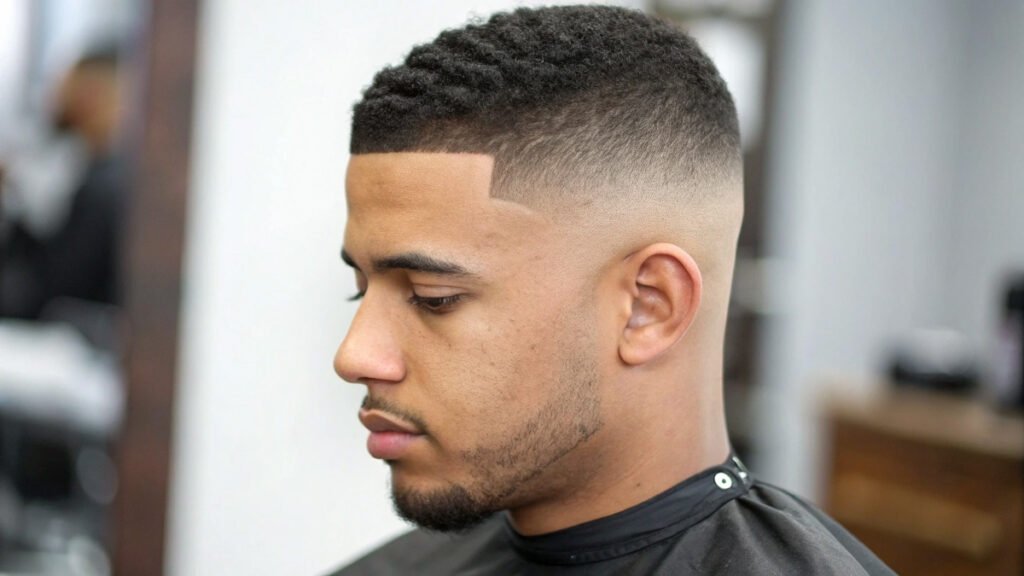
Low fades begin approximately one to two inches above the ears. This placement creates subtle transitions that maintain a conservative appearance while adding modern elements to your style. The gradual nature of low fades makes them suitable for professional environments.
The technique for creating low fades involves careful attention to the ear area. Barbers establish a guideline just above the ears and create gentle transitions down to the neckline. This method preserves more hair on the sides while still achieving the fade effect.
Low fades complement numerous hairstyles on top. Whether you prefer classic side parts, textured crops, or longer styles, the low fade provides a clean foundation. The subtle nature of this fade prevents it from overwhelming your chosen top style.
Maintenance Schedule:
- Professional trims every 3-4 weeks
- Natural grow-out appearance
- Minimal styling required between cuts
- Cost-effective maintenance routine
Best Suited For:
- Professional work environments
- Conservative style preferences
- First-time fade customers
- Men who prefer subtle changes
Mid Fade Details
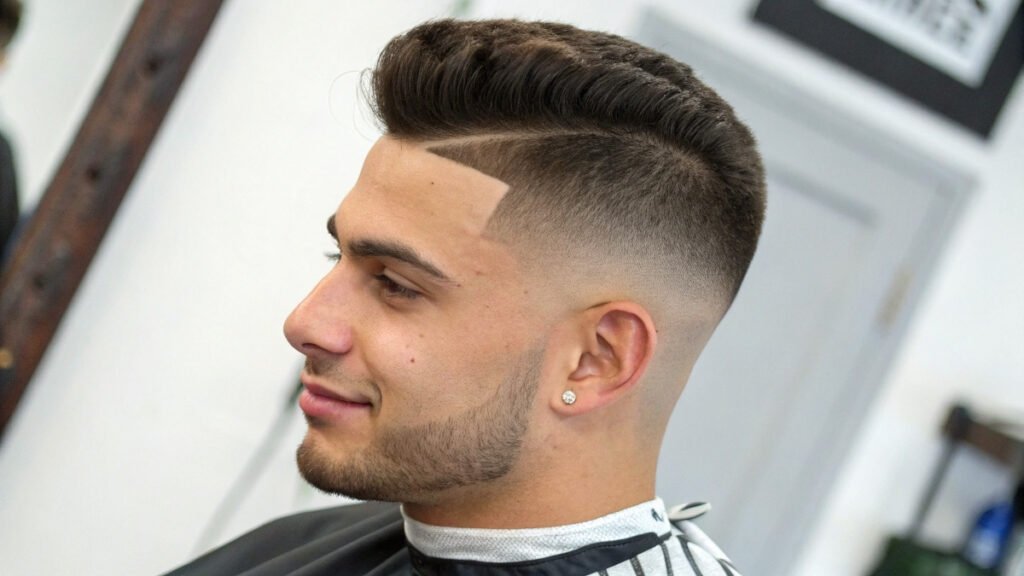
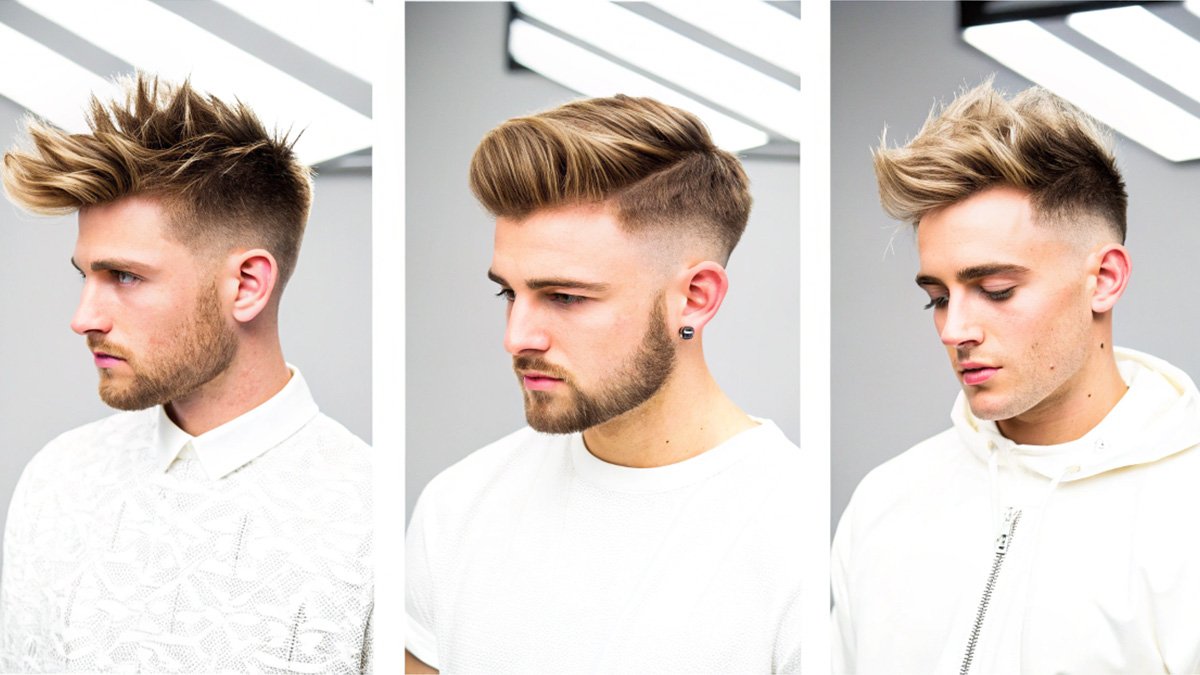
Mid fades start at temple level, creating balanced proportions between the top and sides of your head. This placement offers more versatility than low fades while maintaining appropriateness for most settings. The mid-point positioning allows for various styling options.
Creating mid fades requires precise temple area work. Barbers mark the fade line at temple height and create transitions that balance the overall proportions. The wider transition area gives more room for blending, resulting in smoother gradations.
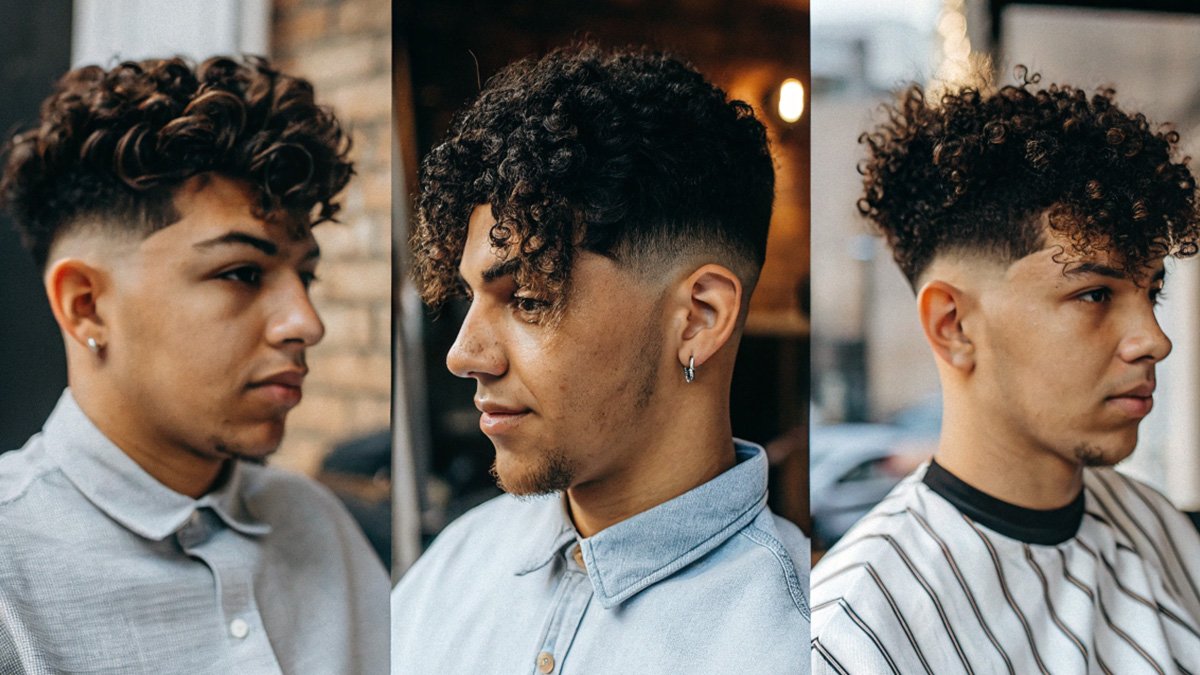
Mid fades work exceptionally well with different hair textures. Straight hair showcases the clean lines of the transition. Wavy hair maintains its natural movement while gaining structure. Curly hair benefits from the controlled volume that mid fades provide.
Styling Versatility:
- Compatible with most top hairstyles
- Balances modern and classic elements
- Suitable for various face shapes
- Adaptable to different hair textures
Maintenance Requirements:
- Professional cuts every 2-3 weeks
- Moderate upkeep commitment
- Balanced cost-to-style ratio
- Clean appearance between visits
High Fade Specifications

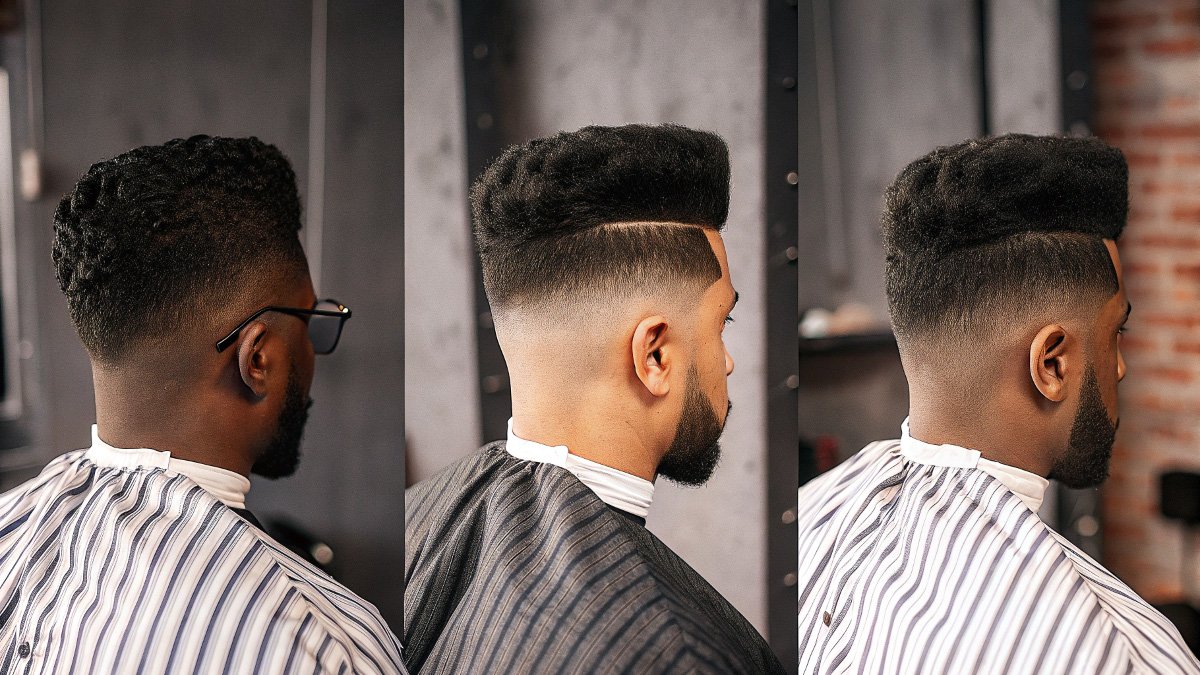
High fades begin above the temple area, creating dramatic contrasts between the top hair and sides. This placement draws significant attention to your hairstyle and makes bold style statements. The quick transition from long to short creates striking visual impact.
Professional barbers need advanced skills to execute high fades properly. The rapid transition requires precise clipper work and careful attention to blending. The high placement leaves more exposed skin, which demands perfect execution to avoid uneven appearances.
High fades work best with specific hair types and styles. Thick, straight hair shows the contrast most effectively. The style enhances modern cuts like textured crops, pompadours, and slicked-back styles. These combinations create head-turning looks that command attention.
Style Impact:
- Maximum visual contrast
- Bold, statement-making appearance
- Enhanced top hair emphasis
- Modern, edgy aesthetic
Considerations:
- Requires frequent maintenance
- Best for thick hair types
- Professional execution essential
- Commitment to upkeep needed
Comprehensive Comparison Analysis
Each fade type serves different purposes and creates unique effects. Low fades prioritize subtlety and professionalism. They grow out naturally and require less frequent maintenance, making them practical choices for busy schedules.
Mid fades balance impact with versatility. They create noticeable style statements while remaining appropriate for most situations. The moderate maintenance requirements make them popular among men who want distinctive looks without excessive upkeep.
High fades maximize style impact and create bold statements. They require frequent professional maintenance to preserve their sharp appearance. These fades suit individuals who prioritize fashion-forward looks and commit to regular barbershop visits.
Comparison Summary:
| Aspect | Low Fade | Mid Fade | High Fade |
| Starting Point | Above ears | Temple level | Above temples |
| Maintenance | 3-4 weeks | 2-3 weeks | 1-2 weeks |
| Style Impact | Subtle | Moderate | Bold |
| Professional Setting | Excellent | Good | Variable |
| Hair Type Compatibility | All types | Most types | Thick hair best |
Face Shape Compatibility
Different fade heights complement various face shapes in specific ways. Understanding these relationships helps you choose fades that enhance your natural features and create balanced proportions.
Round Faces: High fades add vertical height and reduce width perception. The upward emphasis created by high fades elongates round faces and creates more balanced proportions. Mid fades also work well for round faces, while low fades may emphasize width.
Square Faces: Low fades soften angular jawlines and create gentler transitions. The subtle nature of low fades prevents additional emphasis on strong jaw structures. Mid fades can work with proper styling, while high fades may create too much contrast.
Oval Faces: All fade heights work well with oval faces due to their naturally balanced proportions. This face shape provides flexibility to experiment with different fade styles based on personal preferences and lifestyle needs.
Long Faces: Avoid high fades as they add unwanted height. Low and mid fades work better by maintaining width and preventing additional vertical emphasis. The goal is creating balanced proportions rather than elongating already long faces.
Heart-Shaped Faces: Mid fades balance wider foreheads with narrower chins. The temple-level placement of mid fades creates proportional harmony. Low fades also work well, while high fades may emphasize forehead width.
Hair Type Considerations
Different hair textures respond uniquely to various fade styles. Understanding how your hair type interacts with each fade helps you make informed decisions about which style will work best for your specific needs.
Straight Hair: Shows fade transitions most clearly due to its smooth texture. All fade heights work well with straight hair, creating clean lines and smooth gradations. The uniform texture allows for precise blending and sharp contrasts.
Wavy Hair: Benefits from the structure that fades provide while maintaining natural movement. Low and mid fades work particularly well by controlling volume without eliminating texture. High fades can work but may require more styling to manage contrast.
Curly Hair: Requires skilled barbers who understand curl patterns. Fades help control volume and create shape in curly hair. The key is working with natural curl patterns rather than fighting them. All fade heights can work with proper execution.
Thick Hair: Handles high fades exceptionally well due to density creating natural volume. The contrast between thick top hair and faded sides creates dramatic effects. Thick hair also grows out well, maintaining shape between cuts.
Fine Hair: Benefits from the volume-creating effects of fades. Low and mid fades work best by creating the illusion of fuller hair through careful blending. High fades may expose scalp too much in fine hair.
Professional Execution Techniques
Achieving perfect fades requires specific techniques and professional skills. Understanding these methods helps you communicate effectively with your barber and set realistic expectations for your haircut results.
Low Fade Technique: Barbers begin by establishing guidelines just above the ears. They use longer guards initially and gradually transition to shorter lengths. The blending process focuses on creating smooth transitions without harsh lines. Special attention goes to areas around the ears and neckline.
Mid Fade Method: Temple area marking is crucial for mid-fades. Barbers create balance by ensuring both sides match precisely. The wider transition area requires multiple blending passes with different guard sizes. Constant checking ensures even transitions and proper proportions.
High Fade Process: High fades demand advanced skills due to their dramatic nature. Barbers mark the fade line carefully and create rapid transitions in compressed spaces. The process includes precise edge cleanup and careful attention to symmetry.
Styling and Maintenance Tips
Proper maintenance extends the life of your fade and keeps it looking sharp between professional cuts. Different fade heights require specific care routines to maintain their appearance and grow out naturally.
Daily Styling: Use products appropriate for your hair type and chosen style. Lighter products work better with faded areas to avoid weighing down shorter hair. Focus styling efforts on the top hair while keeping faded areas clean and neat.
Between-Cut Care: Wash your hair regularly with appropriate shampoos. Use lukewarm water to protect faded areas from drying out. Apply light moisturizers to shorter sections if needed. Avoid excessive manipulation of faded areas.
Home Maintenance: Basic cleanup around the neckline and ears can extend time between cuts. Use electric trimmers on the lowest settings for touch-ups. Avoid attempting to fix the fade line yourself, as this requires professional skills.
Product Recommendations:
- Light-hold pomades for classic styles
- Texture sprays for modern looks
- Matte products for natural finishes
- Leave-in conditioners for dry hair
Choosing Your Perfect Fade
Making the right fade choice depends on multiple factors including lifestyle, maintenance commitment, and personal style preferences. Consider how each option fits into your daily routine and long-term hair goals.
Assessment Questions:
- How often can you visit a barber?
- What is your workplace dress code?
- Do you prefer subtle or bold changes?
- What is your hair type and texture?
- How much time do you spend styling daily?
Professional Consultation: Discuss your lifestyle and preferences with your barber. Bring reference photos to ensure clear communication. Consider starting with a conservative approach and adjusting in future visits. Trust your barber’s expertise about what works with your specific hair type.
Trial Approach: Many people start with low fades to adjust to the style gradually. This allows you to experience fade maintenance and styling before committing to higher, more dramatic options. You can always go higher in subsequent visits.
Advanced Fade Variations
Beyond basic low, mid, and high fades, several specialized variations offer additional customization options. These advanced techniques can further personalize your fade to match your unique style preferences.
Drop Fade: The fade line curves downward behind the ears instead of maintaining a straight line. This creates a more natural appearance that follows the head’s contours. Drop fades work with all heights and add subtle sophistication.
Burst Fade: The fade creates a semi-circular pattern around the ears while leaving the back longer. This technique works particularly well with mohawks and faux hawks. Burst fades offer unique styling options for creative individuals.
Temple Fade: Focuses on the temple area while leaving the sides and back longer. This subtle variation provides modern touches without full commitment to traditional fades. Temple fades work well for conservative environments.
Skin Fade: Takes the fade down to skin level for maximum contrast. This technique can be applied to any height and creates the sharpest possible transitions. Skin fades require the most maintenance but offer the cleanest appearance.
Conclusion
Selecting between low, mid, and high fades depends on your personal style, maintenance preferences, and lifestyle requirements. Low fades offer subtle sophistication with minimal upkeep. Mid fades balance style impact with reasonable maintenance. High fades create bold statements for those committed to frequent barbershop visits.
The perfect fade enhances your natural features while fitting seamlessly into your daily routine. Consider your face shape, hair type, and professional requirements when making your decision. Remember that you can always adjust your fade height in future visits as your preferences evolve.
Communication with your barber is essential for achieving your desired results. Bring reference photos, discuss your lifestyle, and trust their professional expertise. A well-executed fade becomes the foundation for numerous styling options and enhances your overall appearance.
Start with a conservative approach if you are new to fades, then experiment with different heights as you become more comfortable with the style and maintenance requirements. The right fade will boost your confidence and provide a strong foundation for your personal style.